


If 2024 was the year of "The AI Hype," 2025 was undoubtedly the year of "The AI Reality."
Twelve months ago, the business world was in a frantic race to acquire tools. Companies scrambled to automate emails, generate content, and accelerate workflows. The promise was simple: More speed equals more revenue.
But as we close the books on 2025, the data tells a different story.
We learned that speed without strategy is just noise. We learned that while automation can start a conversation, it cannot hold one. And most importantly, we learned that in an era of digital saturation, the most valuable currency left in business isn't data - it’s trust.
At ClientPoint, we had a front-row seat to this evolution. Watching thousands of users, from enterprise facility services giants to agile small businesses, we noticed a shift in who was winning. The winners weren't the ones sending the most emails. They were the ones using technology to make their customers feel seen, heard, and understood.
Let’s take a look at just some of the ways ClientPoint humanizes your digital selling environment and wins you and your team more deals. If you'd like to learn more about how ClientPoint can help you communicate to your clients and team, click here to book a demo with one of our experts.
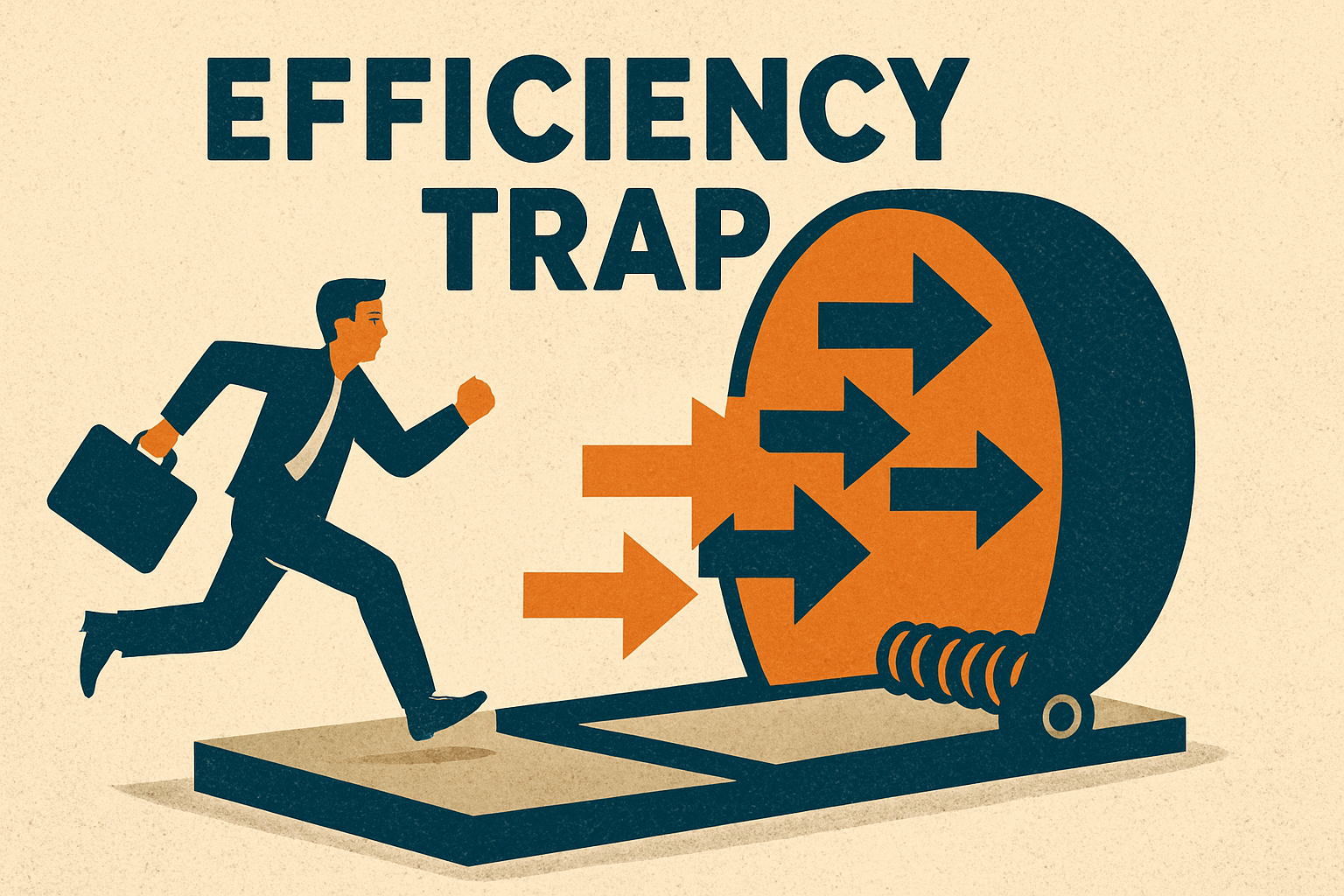
Early in 2025, we saw a phenomenon we call the "Efficiency Trap."
Businesses were using AI to blast out generic proposals and cold outreach at record volumes. The result? Inboxes were flooded, and clients tuned out. The "tool" was working perfectly, but the "business" was suffering.
The lesson became clear: You cannot automate a relationship.
We realized that for technology to be effective, it had to move beyond generative (making things) to connective (understanding people).
This was the driving force behind our launch of RelationshipAI™. We wanted to solve the "Efficiency Trap" by shifting the focus from output to insight. The goal wasn't just to write a proposal faster; it was to understand the intent of the human reading it.
The businesses that won in 2025 were the ones who used AI to listen, not just to talk. They used data to determine when to pick up the phone, and what mattered most to the prospect. They used tech to win the bid before the walkthrough ever happened.

For a few years, there was a belief that "content is king" - that if the numbers in the contract were right, the formatting didn't matter.
2025 shattered that myth.
As competition increased, decision fatigue set in. Buyers became overwhelmed by dense, text-heavy PDFs and uninspired spreadsheets. We learned that clarity is a form of kindness, and beauty is a form of competence.
When a prospect opens a proposal, they aren't just looking at the price. They are asking a subconscious question: "If their proposal looks this messy, what will their service look like?"
This realization fueled our rollout of ClientPoint Design. We saw that users who treated their proposals as "digital experiences" - rich with video, clear branding, and intuitive layouts - saw a dramatic spike in engagement.
The lesson? Design isn't decoration. In a remote-first, digital-first world, design is your handshake. It is the first signal of trust you send to a potential partner.
If you'd like to learn more about how ClientPoint can help you schedule with your clients and team, click here to book a demo with one of our experts.
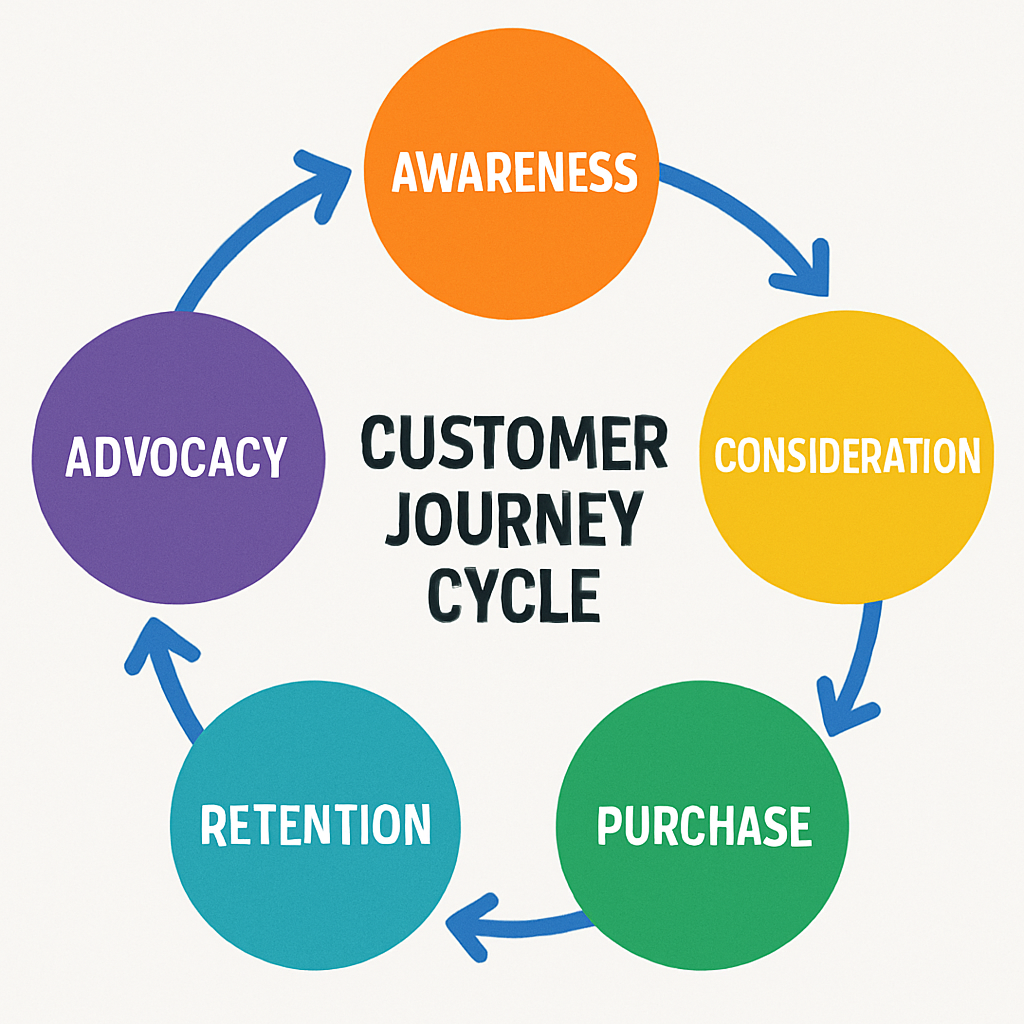
Another major lesson of 2025 was the pain of "Platform Fatigue."
Sales teams were drowning in tabs. CRM in one window, email in another, proposal software in a third, and e-signature in a fourth. This fragmentation didn't just annoy employees; it leaked into the customer experience. Data was getting lost, handoffs were clumsy, and trust was eroding in the gaps between software.
We realized that the future belongs to Unified Flow.
This is why we doubled down on the Enhanced CustomerOS. The concept was simple but radical: The customer shouldn't feel the friction of your internal tech stack. From the first "Hello" to the final "Signed," the experience should feel like one continuous, smooth stream.
The companies that succeeded this year stopped trying to manage "data points" and started managing "relationships." They used an operating system that connected the dots, ensuring that every interaction whether human or automated retained the context of the last one.
This shift toward ecosystem-wide context is particularly vital in industries like construction, where success depends on the trust and coordination of dozens of independent partners. To manage these complex relationships, modern firms have moved away from fragmented spreadsheets in favor of a unified construction management scheduling tool. By creating a shared 'source of truth' for timelines and progress, these platforms ensure that everyone, from the field to the back office, retains the same context. This reduces the friction that leads to delays and builds stronger alignment across the entire project lifecycle.
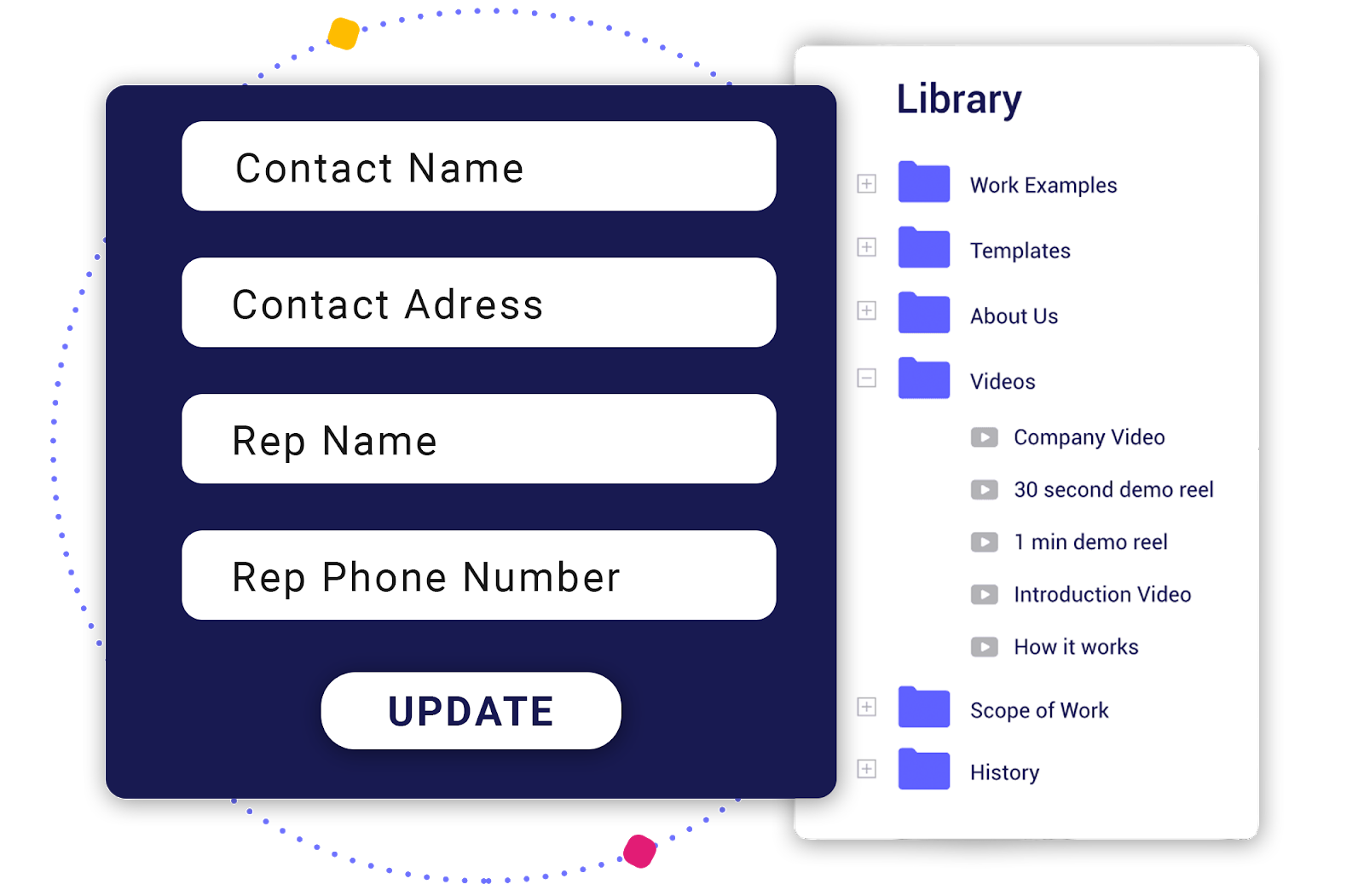
If you'd like to learn more about ClientPoint's documentation automation, or content & project management, don't hesitate to book a free demo with one of our experts.
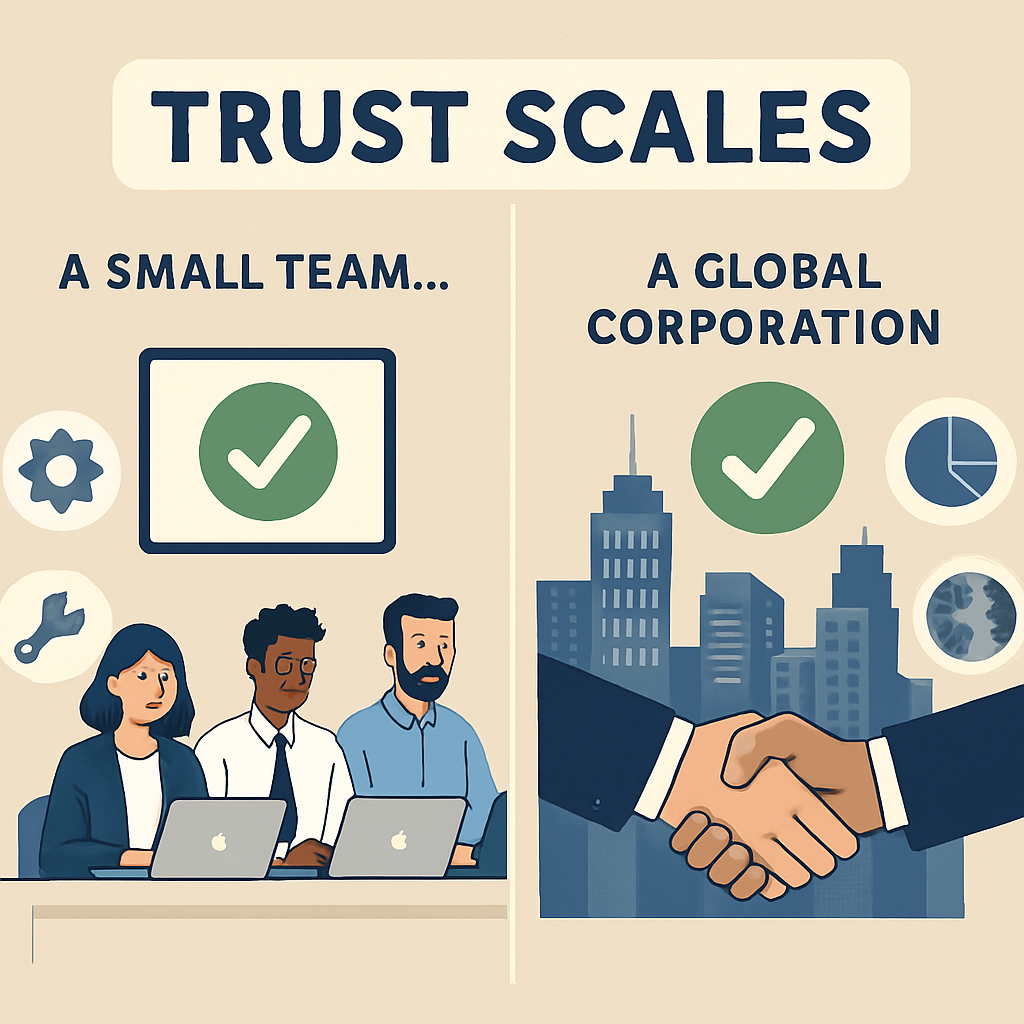
Perhaps the most heartwarming lesson of 2025 was that excellence is no longer gatekept by size.
Historically, only the massive Fortune 500 companies could afford the high-end tech required to create cinematic proposals and leverage predictive AI. Small businesses were often left fighting with Word docs and basic email.
But 2025 changed the playing field.
With the launch of ClientPoint for Small Business, we saw a renaissance of the entrepreneur. We watched smaller facility services teams go head-to-head with national giants - and win. Why? Because they combined their agility and personal touch with enterprise-grade technology.
So, where do we go from here?
If 2025 was about refining the tools, 2026 will be about refining the human.
We believe we are entering a "Human Renaissance." AI and automation will handle the logistics, the scheduling, the data entry, and the pattern recognition. This will clear the deck for your people to do what only humans can do: Empathize. Negotiate. Consult. Connect.
The companies that will dominate next year won't be the ones with the best AI—everyone will have AI. The dominant companies will be the ones who use AI to liberate their humans.

As we close out this transformative year, we want to leave you with one thought.
Technology is powerful, but it is passive. It requires a pilot. You are the differentiator.
Whether you used RelationshipAI to uncover a hidden objection, ClientPoint Design to wow a skeptic, or CustomerOS to streamline your day, remember that the tool was just the vehicle. Your vision, your work ethic, and your commitment to your clients were the fuel.
Thank you for learning, growing, and evolving with us in 2025. We have built the ship, but you are the ones sailing it.
Here is to a future built not just on faster clicks, but on deeper trust.
Happy Holidays and a Prosperous 2026,
The ClientPoint Team
👉 Explore more of the solution center and discover how to reduce chaos, boost efficiency, and build trust at every touchpoint.