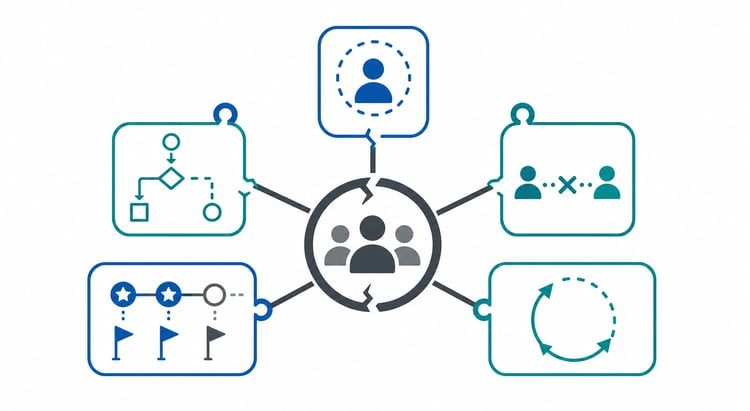


Onboarding is not a phase to clear before the real relationship starts. It is the first sustained proof that a company delivers on what it promised.
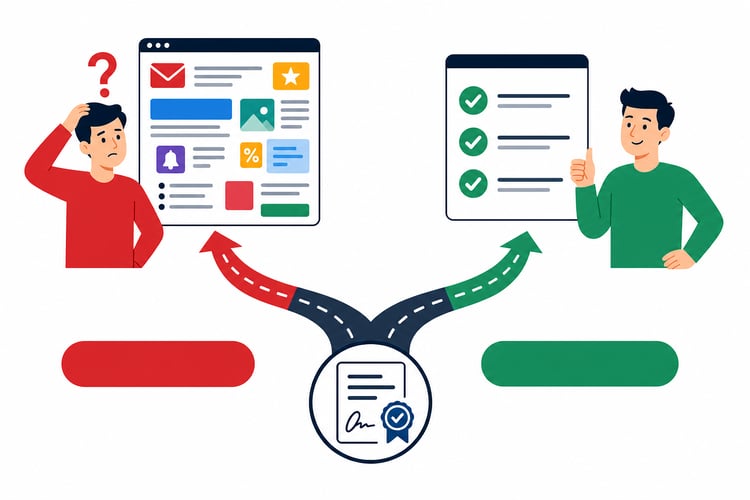
Most companies pour their energy into winning the deal. The pitch is polished, the demo is rehearsed, and the proposal is tailored down to the last detail. Then the contract is signed, and the experience often changes overnight. Handoffs get messy, replies slow down, and the customer who felt like a priority a week ago starts to wonder what exactly they bought. That gap between the sales experience and the onboarding experience is where retention is quietly won or lost. In this article, we’ll break down what bad onboarding really costs, why it happens even at well-run companies, and a practical framework your team can use to get it right with every new customer.
If you'd like to learn more about how ClientPoint can help you communicate to your clients and team, click here to book a demo with one of our experts.
 If you'd like to learn more about how ClientPoint can support your team, click here to claim a free demo with one of our experts.
Every customer relationship has a hinge point. It’s not the sales call, and it’s not the contract signature. It’s what happens in the days and weeks right after. Onboarding is where a customer’s excitement either turns into confidence or quietly curdles into doubt.
Most companies treat onboarding as a formality: a checklist to clear before the “real” relationship starts. But onboarding is the real relationship. It’s the first sustained proof of whether a company delivers on what it promised. Get it wrong, and no amount of great product or attentive sales can fully undo the damage. Get it right, and you’ve built the foundation for years of retention, expansion, and referrals.
 If you'd like to learn more about ClientPoint's documentation automation, or content & project management, don't hesitate to book a free demo with one of our experts.
Bad onboarding rarely announces itself. It shows up in small, cumulative frustrations:
Individually, these seem minor. Together, they tell a new customer something important: the experience they're about to have does not match the experience they were sold.
3. The Real Cost of Getting Onboarding Wrong
 If you'd like to learn more about how ClientPoint can support your team, click here to claim a free demo with one of our experts.
Poor onboarding is one of the leading drivers of early churn. Customers who don't reach their first meaningful outcome quickly rarely stick around long enough to renew, let alone expand. Every dollar spent on sales and marketing to acquire that customer is now at risk of being wasted, not because the product failed, but because the path to value was unclear.
Bad onboarding doesn't just cost the customer relationship, it costs internal time. Confused customers generate more support tickets, more "quick calls," and more escalations. Client success teams end up spending their time firefighting instead of building deeper strategic relationships with healthy accounts.
A customer's first 30–90 days shape the story they tell about you to colleagues, on review sites, and in renewal conversations. A rocky start can undo months of trust-building from the sales process, and referrals and case studies simply don't materialize from customers who never felt confident in their decision.
| A rocky first quarter rarely stays private. It becomes the story a customer tells everyone else. |
4. Why Onboarding Breaks Down
Bad onboarding is rarely caused by one dramatic failure. It's usually death by a thousand small gaps:

If this sounds like something your team could use, claim a free demo here and we'll show you how it works.
The best onboarding experiences share a few common traits, regardless of industry:
| ✔️ | Clarity from the first message — the customer always knows what's happening next and why |
| ✔️ | A visible, dedicated point of contact, someone the customer can put a name and face to |
| ✔️ | Fast time-to-first-value — a meaningful win in days, not weeks |
| ✔️ | Personalization at key moments, even within a standardized process |
| ✔️ | Proactive communication — the company reaches out before the customer has to ask |
| ✔️ | A clear bridge to what's next — onboarding ends with the customer knowing exactly how the ongoing relationship works |
6. A Framework For Getting it Right Every Time
The onboarding experience actually starts before the kickoff call. What sales promised should be documented and handed off cleanly to the team that will deliver it. The customer's first touchpoint after signing should arrive fast — same day if possible — confirming that the relationship they were sold is the relationship they're about to get.
The first day should do one job: make the customer feel confident, not confused. That means a warm, personal welcome; a clear point of contact; and a simple, visible plan for what the coming days will look like. This is the moment to reinforce the value the customer bought, not to bury them in setup tasks.
This stage is about momentum. The goal is to get the customer to a genuine "aha" moment as quickly as possible — a real result tied to why they bought in the first place. Break the process into small, sequenced steps rather than one large setup burden, and check in proactively rather than waiting for the customer to raise a hand.
By this point, the customer should be able to point to a concrete outcome. This is the window to reinforce ROI, deepen the relationship beyond the initial use case, and begin setting the stage for renewal and expansion conversations — all while the initial goodwill from onboarding is still fresh.
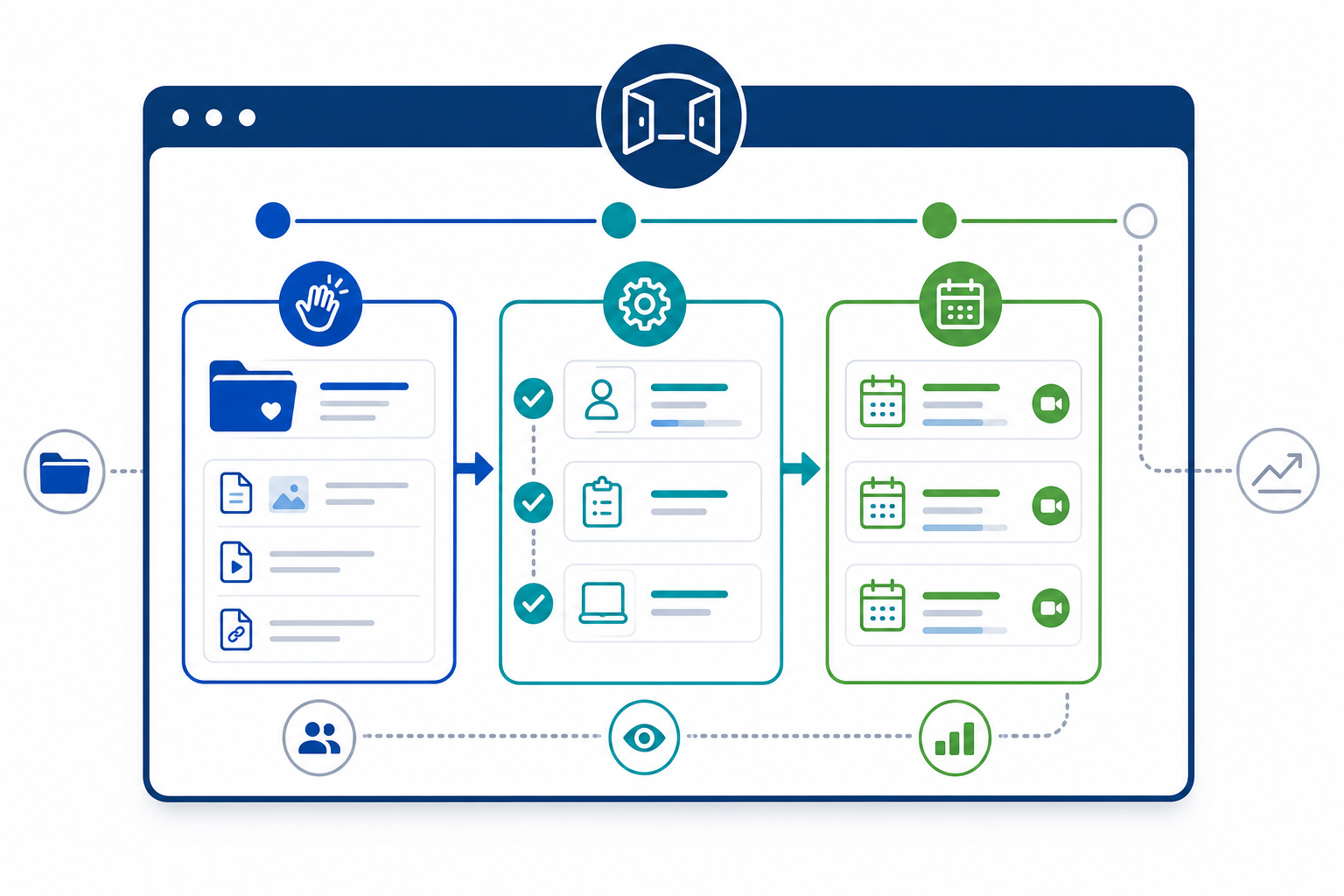
| A structured Digital Sales Room can carry a customer through every one of these stages — welcome materials, setup steps, and check-ins living in one shared, trackable space instead of scattered across email threads. |
If you'd like to see this working for your own business, claim your free demo and one of our experts will take it from there.
 If you'd like to learn more about how ClientPoint can support your team, click here to claim a free demo with one of our experts.
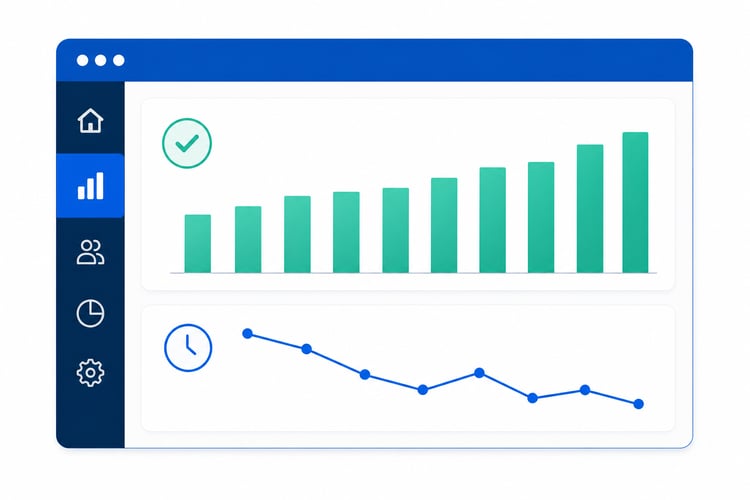
Getting onboarding right isn't a matter of good intentions — it needs measurable signals. Useful metrics include:
Tracking these consistently turns onboarding from a felt experience into a measurable, improvable system.
 If you want to see exactly how ClientPoint fits into your workflow, one of our experts can walk you through it — click here to claim a free demo.
Most companies treat onboarding as a cost center to minimize. The companies that win treat it as a differentiator to invest in. A consistently excellent onboarding experience becomes something customers talk about — a genuine reason to choose, and stay with, a company over a competitor with a similar product. In crowded markets where product features converge, the experience of getting started is often the clearest differentiation a company has left.
The Bottom LineOnboarding is the bridge between what was sold and what gets delivered. Every gap in that bridge chips away at the trust a customer placed in the decision to sign. The companies that get this right don't rely on their best people getting lucky with a great account — they build a repeatable system, one that turns "we hope this goes well" into "we know exactly how this goes." |
👉 Explore more of the solution center and discover how to reduce chaos, boost efficiency, and build trust at every touchpoint.